


 Mainly bottles, flacons, ampoules, and other product containers made of glass.
 All packaging made of paper or corrugated board, primarily shipping boxes or outer packaging for products. Parchment paper and wax paper products also fall into this category.
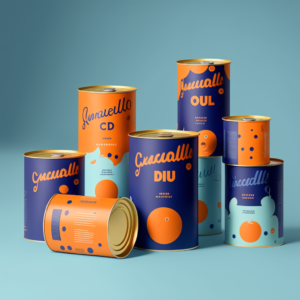 Packaging made of steel and iron sheets, commonly used in tin cans, beverage cans, crown caps, or metal tubes.
 Typical aluminium packaging includes aerosol cans as well as foils, closures, and other cans with a minimum aluminium content of 99%.
 Primarily retail packaging made of plastic, films, adhesive tapes, as well as shipping packaging such as polystyrene, bubble wrap, or other foam filling materials. Bioplastics are also included.
 Packaging for beverages, milk, or ready-made sauces, often referred to as Tetra Pak or liquid cartons. In addition to cardboard, these composites contain aluminium or plastic for insulation and preservation. Packaging is classified as a beverage carton if none of the composite materials makes up more than 95% of the packaging.
 All other composite packaging that is not a beverage carton. These are packages made of at least 2 different materials that cannot be separated by hand (e.g. coatings or bonded layers) — but not beverage packaging. Again, no single material may exceed 95% of the packaging. Examples include frozen or vacuum packaging.
 Other natural materials such as wood, cork, (tree) cotton, jute, linen, rubber, clay, ceramics, porcelain, or stoneware.